Exploring Different Types of Clay for Soap Making
Have you ever considered how clay works in soap or why it would be a wonderful ingredient added to cold processed formulas? Glad you asked. Its a fascinating story and the deeper we researched the more we wanted to incorporate the various clays into our soap.

Bentonite Clay – This clay is formed from volcanic ash sediment and the majority of this clay is mined from with the largest, highest-quality deposits in the mountainous region of Wyoming, USA. This absorbent, mineral-rich clay is formed over millions of years through the weathering of volcanic ash in seawater. It is mined directly from the earth, often appearing as a light gray to off-white powder, which is highly prized in soap for its ability to draw out toxins, create slip in shaving soaps, and absorb oil. We use Bentonite clay in our shave soaps because the clay makes a slick surface for the razor to slide smoothly over. And when water is introduced to the soap and lathered up a low grade electrical charge occurs. This charge helps the hair to stand up on end, allowing for a closer and smoother shave.

Kaolin Clay – Kaolin clay is a versatile additive in cold process soap, prized for its gentle cleansing, mild exfoliation, and ability to improve soap texture by adding a smooth, silky slip. It absorbs excess oil without stripping the skin, making it suitable for all skin types, including sensitive skin. It also acts as a natural colorant, helps anchor fragrances, and creates a creamy, dense lather. The clay comes in variety of colors, with an off white to a deep rose color.
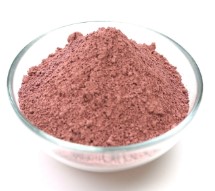
We wondered if there is a big difference between the white and the rose kaolin clay, only to discover there are differences. Both are absorbent of oil on the skin, however the rose clay is more so. The rose kaolin gets its pink color from natural iron oxides, which can offer minor mineral benefits. Both clay give the soap a gentle exfoliation, improves the feel of the soap (more silky), provide natural colorant, and increases lather to thick and rich.
- White Kaolin: Dry, sensitive, or delicate skin.
- Rose Kaolin: Normal, combination, or sensitive skin that experiences mild oiliness.

French Green Clay (sea clay) – originates from naturally occurring quarries in France, particularly in the southeastern regions. It is a mineral-rich clay, often sourced from ancient marine beds and dried by the sun, containing decomposed plant matter and iron oxides that give it its signature green color. This clay is the most effective for skin that has excessive oil and possibly acne issues because it deep cleans the pores dries out excess oil and is packed with minerals like magnesium, calcium, potassium, silica, and iron oxide, which nourish the skin which nourish skin.
Recently we began using clay in our new spa series of soap, and we are loving the results. But here is a list of the soaps that contain clays.
- Barber Shop Shave Soap (bentonite clay)
- Bay Rum Shave Soap (bentonite clay)
- Fresh Pear Shave Soap (bentonite clay)
- Lavender Lemon Shave Soap (bentonite clay)
- Lime Ginger Peppercorn Shave Soap (bentonite clay)
- Sandalwood Shave Soap (bentonite clay)
- Tobacco Carmel Shave Soap (bentonite clay)
- French Green Clay Facial Soap (french green clay)
- Cardamom Crème and Tonka Bean Soap (rose kaolin clay)
- The Perfect Man Soap (french green clay)
- Quince & Rose Soap (rose kaolin clay)
- Sophisticated Man Soap (kaolin clay)
- White Lotus and Coconut Soap (kaolin clay)
We have several more spa series soaps in process, which we will announce soon. We hope you consider the benefits of clay in soap and give one a try.
You must be logged in to post a comment.