Natural Headache Relief with Peppermint
Research has pointed us to one of the best natural things to help with relieving headaches using aroma therapy. That wonderful ingredient is peppermint.
Lets look at peppermint and find out what the internet indicates peppermint is used for. Keep in mind the information speaks of more than its use in soap. We are advocating only the use externally.
Peppermint (Mentha piperita) is a potent herb widely used to improve digestion, ease irritable bowel syndrome (IBS) symptoms, and relieve tension headaches due to its high menthol content. Its antibacterial, anti-inflammatory, and antispasmodic properties also help freshen breath, clear sinuses, and reduce congestion.
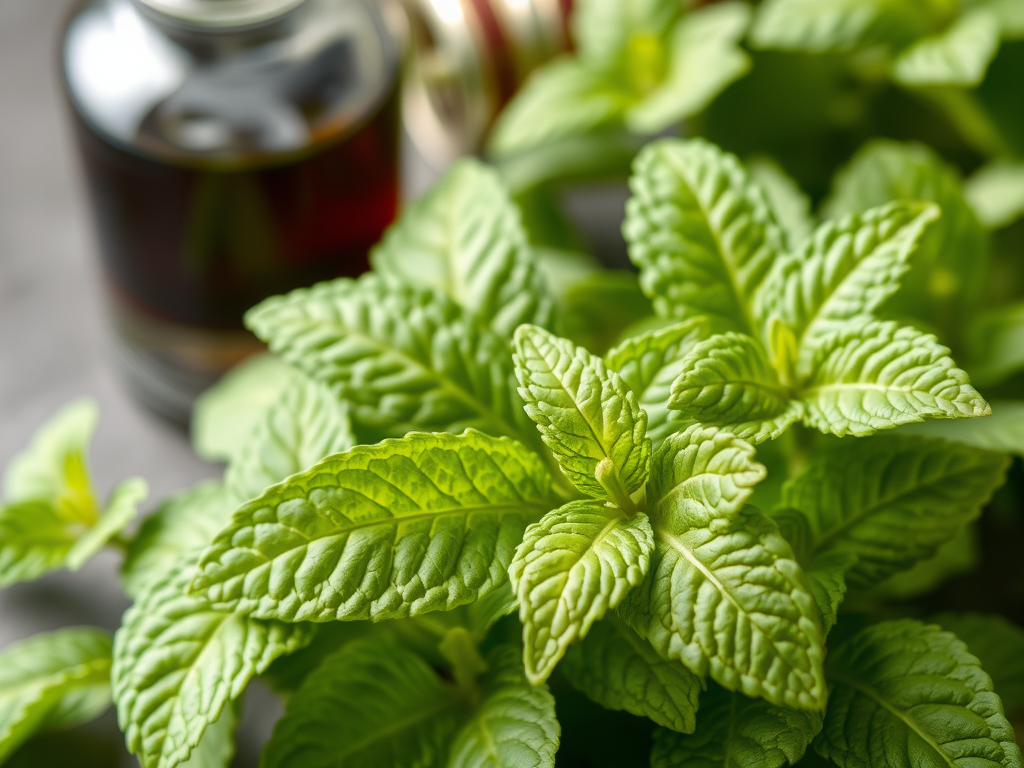
Key Health Benefits of Peppermint:
- Digestive Relief: Relaxes stomach muscles, reduces gas, bloating, and indigestion. It is particularly effective for IBS, helping to manage abdominal pain.
- Respiratory Support: Menthol acts as a natural decongestant, breaking up mucus and clearing sinus congestion.
- Headache & Pain Relief: Applying peppermint oil to the forehead and temples can significantly reduce the pain of tension headaches. It may also soothe menstrual cramps.
- Improved Oral Health: Its antibacterial properties combat bad breath and inhibit bacteria growth in the mouth.
- Mental & Physical Boost: The aroma can increase energy levels, reduce stress, and improve alertness.
- Antibacterial/Antiviral: Studies suggest it can fight off foodborne bacteria like E. coli and Salmonella, and potentially boost immunity.
How to Use Peppermint for Headaches
- Topical Application: Dilute a few drops of peppermint oil with a carrier oil (like coconut or jojoba) and apply it to the temples, forehead, and back of the neck.
- Inhalation: Inhale directly from a diffuser to help ease tension and congestion.
- Aromatherapy: Add to a warm bath for a calming, headache-reducing effect.
The essential oil of peppermint has some amazing uses. Please note that we do not advocate taking the oil internally, but instead we utilize it in formulas of soap, shampoo and lotion.
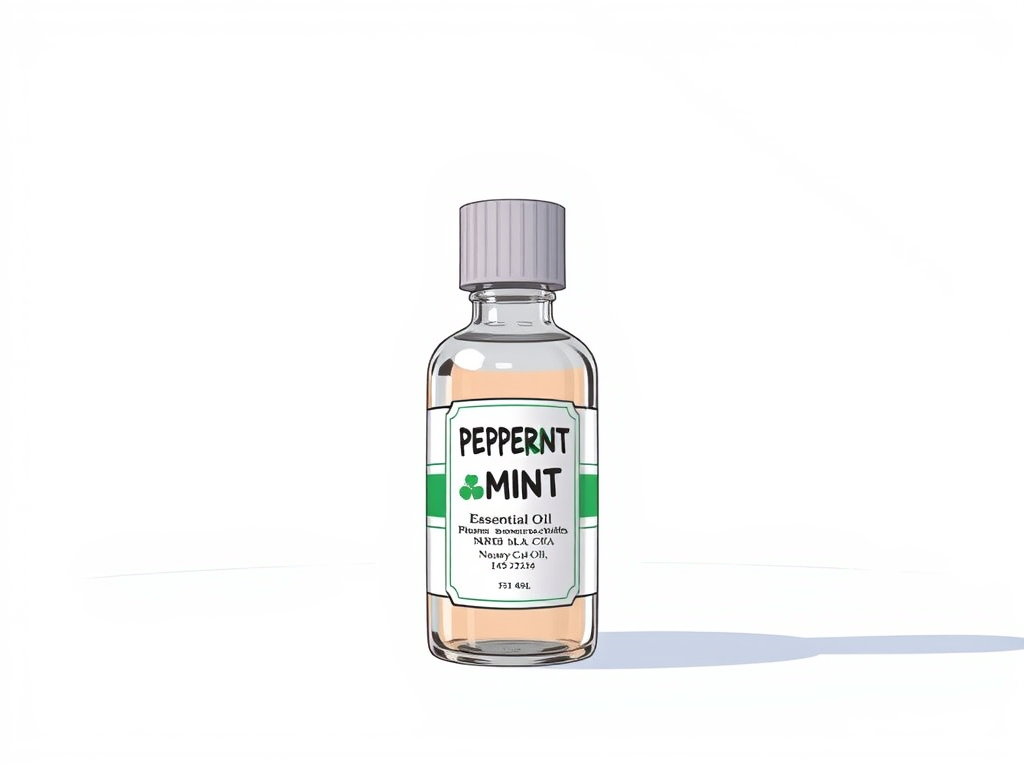
Here are 10 common uses for peppermint oil:
- Headache Relief: Apply a diluted drop to temples, forehead, or the back of the neck to ease tension headaches.
- Muscle Pain and Soreness: Mix with a carrier oil (like coconut oil) or add to a warm bath with Epsom salts to soothe aching muscles.
- Clear Congestion and Sinuses: Inhale directly from the bottle, add to a diffuser, or place a few drops in a bowl of hot water for a steam inhalation to clear airways.
- Natural Insect Repellent: Mix with water in a spray bottle to repel ants, spiders, and spiders around windows and doors.
- Boost Energy and Focus: Diffuse in the air or inhale to improve concentration and reduce mental fatigue.
- Sooth Digestive Issues: Massage diluted oil onto the abdomen to relieve nausea or indigestion.
- Hair Growth Stimulation: Add a drop to shampoo to promote circulation and encourage hair growth.
- Reduce Itching and Sunburn: Apply diluted oil to skin rashes or sunburns to provide a cooling and calming effect.
- Natural Home Freshener: Place a few drops on a cotton ball and hide in trash cans, shoes, or drawers to eliminate odors

We make several products utilizing peppermint essential oil:
Headache Soap – It’s aroma therapy offering a crisp peppermint and eucalyptus. We hear our customers request both peppermint and eucalyptus as a comfort when they suffer headaches
High Energy Soap – We call it high energy because it wakes you up with the bright and vibrant scents of lemon, rosemary, eucalyptus and peppermint.
Peppermint Basil Soap – Fresh peppermint and sweet herby basil make a fresh scent.
Peppermint Rosemary Soap – Crisp fresh peppermint and herby rosemary make a clean scent.
Peppermint Rosemary Shampoo – Same fresh scent a s our soap, with the benefits of rosemary for strengthening hair.
Peppermint Solid Perfume – A coconut oil and beeswax base scented with peppermint oil and ideal for applying to temples and pulse points.

You must be logged in to post a comment.