Is the U.S. Experiencing a Color Revolution?
I am scratching my head with each new news segment. How have we spun out of control of so much of what once was normal life? In just the last 6 years we as citizens of the United States have been inflicted with so many unexpected and challenging issues. We had to make challenging decisions, some of which cost us so much. We learned the truth about people that we once called close friends. Politics began to divide us, or make us no longer acceptable in normal circles.
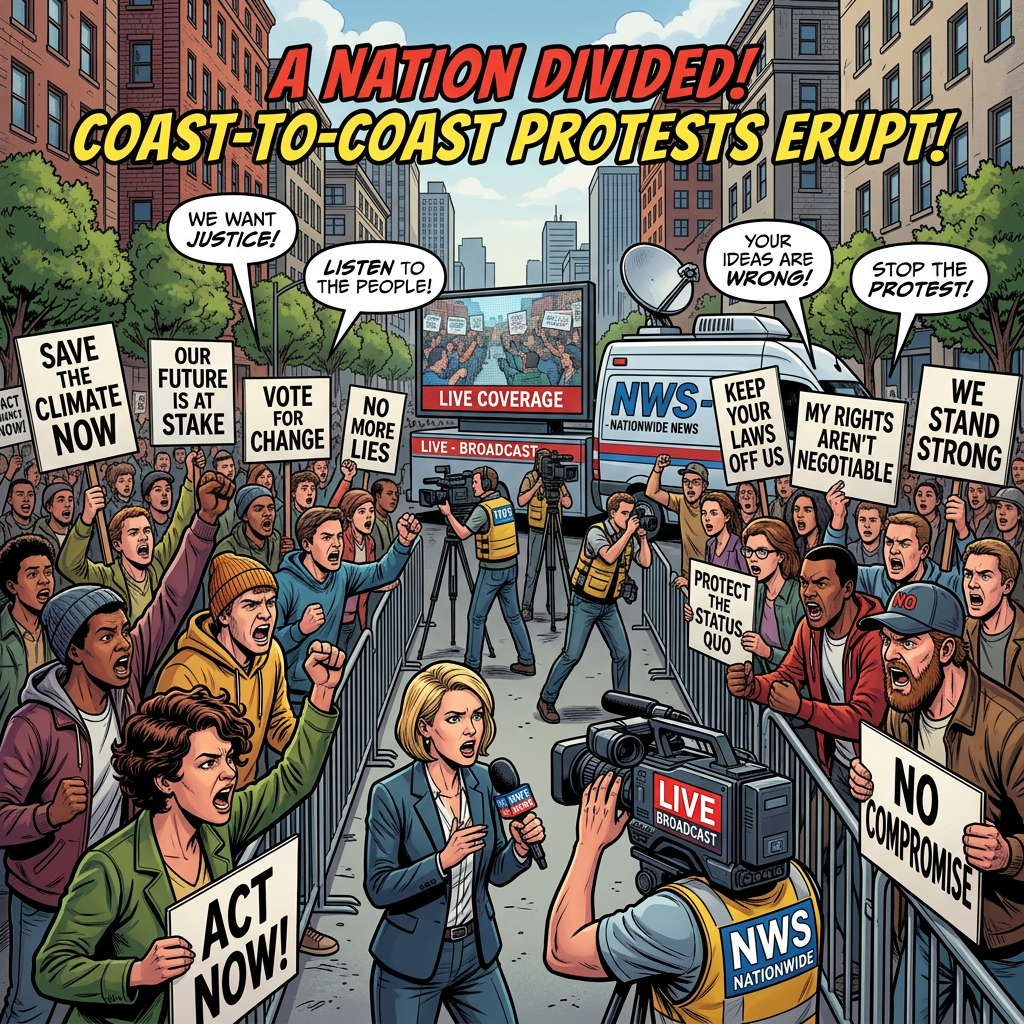
I think this has always existed under the surface of society, but something harsh ripped these divisions to the surface, polarizing each other. But the truth is 99% of us have more in common than we realize. Ask a hard core right winger or a liberal left winger the same question – What do you want your life to be like? and they will all say they want safety, stability, an environment to raise kids decently, and provide for them. At the heart of each of us is the strong desire to make a life worth living.
So the questions is what has driven division in us? How have we let this happen? And what is really going on with this chaos?
The great division in the U.S. is a 64% increase in political polarization since 1988, accelerated rapidly after 2008 by ideological sorting, social media, and affective polarization—viewing the opposing party as immoral enemies. Major contributors include intense ideological realignment, racial and demographic anxieties, widening income inequality, and a fragmented media landscape.
- Ideological Sorting (Partisan Realignment): Democrats and Republicans have sorted themselves into distinct ideological camps, with liberals moving faster to the left than conservatives have to the right, widening the gulf between them.
- Affective Polarization & Distrust: The divide is less about policy and more about emotion; both sides hold deep, negative stereotypes and distrust towards the other, treating political opponents as immoral or threats to the nation.
- Media Fragmentation and Social Media: The decline of unified news sources and the rise of partisan cable news and social media algorithms create echo chambers, allowing individuals to consume information that reinforces existing biases and fosters anger.
- Demographic and Cultural Changes: Rapid shifts in American demographics, combined with battles over cultural issues like LGBTQ rights, immigration, and education, fuel anxieties.
- Economic Anxiety and Inequality: Significant disparities in wealth, along with resentment from the working class regarding their economic standing and perceived disregard by elites, drive a wedge.
- Geographic Divide: The “Big Sort” has separated citizens into distinct environments—urban vs. rural—where they rarely interact, fostering distrust and ideological extremism.
This polarization accelerated around 2008, following the financial crisis, a change in presidential leadership, and the rise of the smartphone, making it a relatively recent intensification of long-term ideological differences.
I have been hearing so much about the idea of a “color revolution” so i asked Ai to define it, and wondered if we are in the middle of such an upheavel of our nation.
A color revolution is typically defined as a series of often non-violent, grassroots protests aimed at changing a government, which are sometimes accompanied by foreign influence, social media organization, and the symbolic use of a specific color or flower. Originating in the early 2000s in post-Soviet states—such as Georgia’s Rose Revolution (2003) and Ukraine’s Orange Revolution (2004)—these movements generally target regimes viewed as authoritarian, corrupt, or that have produced widely disputed election results.
Is the United States in the Midst of One?
Whether the United States is currently experiencing a color revolution is a matter of intense political debate rather than established fact.
- Arguments for “Yes” or Similar Unrest: Proponents of this view often suggest that increased political polarization, mass street protests (such as those surrounding election disputes or racial justice issues), and the use of social media to organize dissent resemble the patterns of color revolutions seen elsewhere. Some narratives suggest that domestic political actors, aided by non-governmental organizations, are attempting to delegitimize the traditional U.S. political process, using accusations of “stolen elections” as a tactic to trigger popular uprising.
- Arguments for “No” or Different Phenomena: Many analysts argue that what is occurring in the U.S. is not a color revolution, but rather severe internal political polarization, democratic backsliding, or populist uprisings. Key differences often cited are that the U.S. has robust, if contested, legal and electoral processes, and the unrest lacks the specific, unified, foreign-backed nature typically associated with traditional color revolutions.
- Alternative Perspective: Some observers argue that instead of being a victim of a color revolution, the U.S. has been a frequent exporter of this phenomenon to other countries, and the current unrest is a different type of domestic political crisis.
In summary, while the U.S. has experienced significant political turmoil and protests that resemble the tactics of a color revolution (e.g., protesting election results), it lacks the exact model of a unified, foreign-supported,, and entirely non-violent overthrow of a government seen in other parts of the world.
The only answer to stop the rapid degradation of our society is to stop, and begin to look for the common things. We need to remember that we can turn these turbulent times into one of peace, end the chaotic script, and restore our nation. But we must see value in each other, and agree to disagree, valuing above all our unity.
You must be logged in to post a comment.